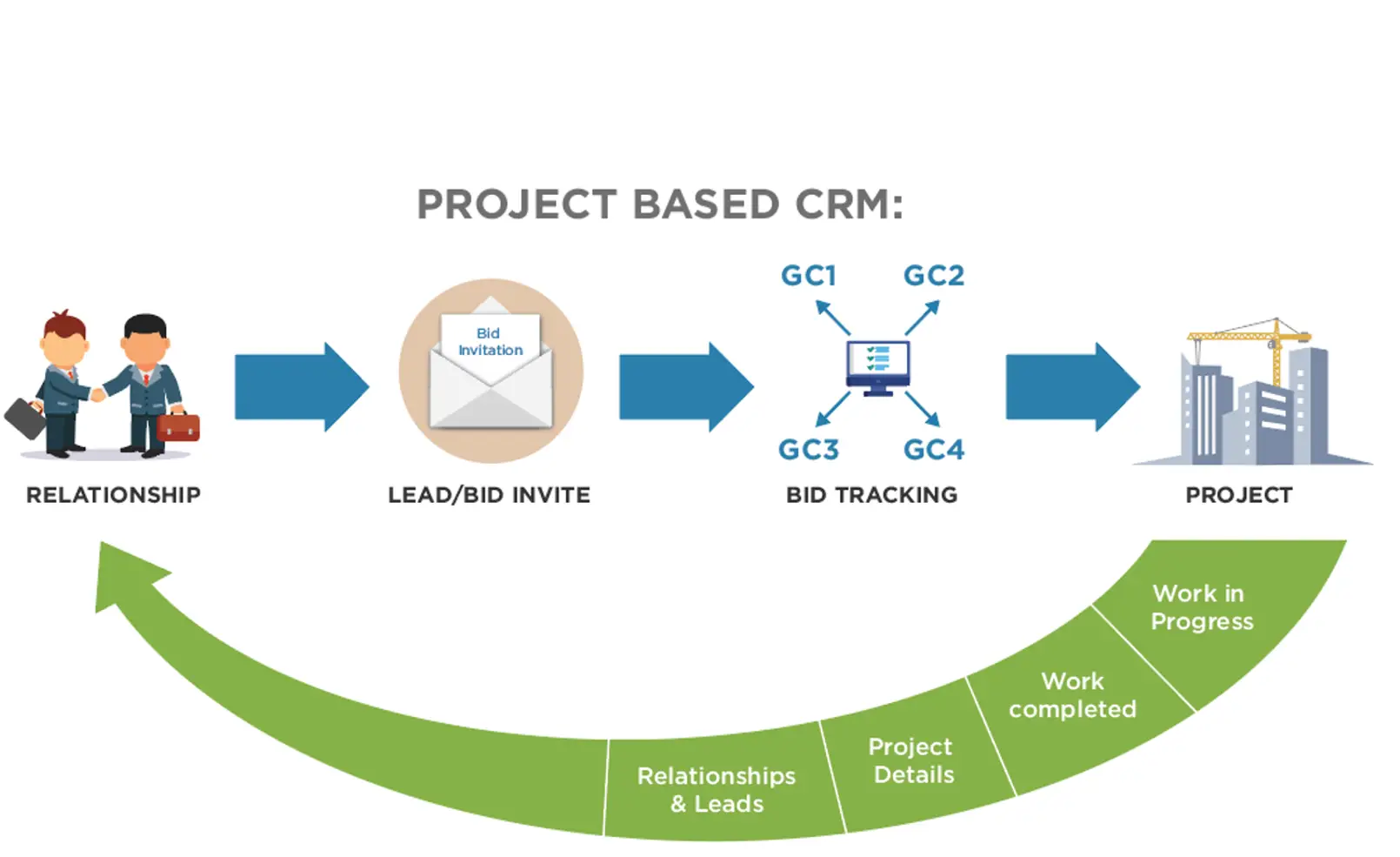
If you’re a contractor juggling clients, projects, quotes, and invoices—all while trying to keep your sanity—you’ve probably wished for a way to make everything more manageable. Between chasing leads, scheduling jobs, managing payments, and updating clients, it can feel like running three different businesses at once. That’s where a CRM (Customer Relationship Management) system steps in to save the day.
Think of a CRM as your virtual project assistant—one that never sleeps, never forgets, and actually reminds you to call that client you promised a quote last week. In this article, we’ll explore why contractors need CRM software, how it helps your business grow, what features to look for, and which options are worth your time and money. And don’t worry, we’ll keep it light—no boring tech jargon here.
What Exactly Is a CRM for Contractors?
A CRM, short for Customer Relationship Management system, is software designed to organize and manage all your customer information, leads, communications, and projects in one convenient place.
For contractors, this means saying goodbye to messy spreadsheets, random WhatsApp messages, and the sticky notes covering your desk. A CRM helps you handle job quotes, schedule tasks, follow up with clients, and track payments—all without needing to open ten different apps.
Imagine a single dashboard that shows your current projects, pending invoices, new leads, and client follow-ups. That’s the power of a contractor CRM. It keeps your business running like a well-oiled machine.
Why Contractors Absolutely Need a CRM
Let’s be honest—most contractors rely on memory or scattered notes to keep things in order. It might work when you’re handling two or three jobs, but once business picks up, things can get chaotic fast. Here’s why using a CRM can save your sanity and boost your profits.
1. Never Lose a Lead Again
Have you ever talked to a potential client who seemed ready to book, but you forgot to follow up? A CRM tracks every lead and reminds you when it’s time to reach out again. No more lost opportunities because of missed calls or forgotten messages.
2. Simplify Your Quotes and Bids
Creating estimates can be tedious. A good CRM lets you store templates, calculate costs, and even send professional-looking quotes directly to clients in minutes. Faster quotes mean faster deals.
3. Keep Projects Organized
From client info to project timelines, every detail is stored neatly in one place. You can easily check what jobs are active, which ones need attention, and which are ready to invoice—all without sifting through piles of paperwork.
4. Improve Communication with Clients and Teams
Communication breakdowns can cost time and money. A CRM logs all your emails, calls, and notes, so everyone knows exactly what’s been discussed. Some systems even let clients log in and see project updates in real time.
5. Get Paid Faster
Late payments are the worst. Contractor CRMs can automate invoices and payment reminders. You can also track which clients are late and who’s all paid up, keeping your cash flow smooth and predictable.
Key Features Every Contractor CRM Should Have
Not all CRMs are made equal. Some are perfect for sales teams or marketing agencies, while others are built specifically for construction and contracting businesses. Here are the must-have features to look for before committing to one.
| Feature | Why You Need It |
|---|---|
| Lead Management | Keeps track of prospects, from initial contact to signed deal. |
| Job Scheduling | Helps you assign jobs, avoid double bookings, and manage team availability. |
| Quoting & Estimating | Speeds up bid creation with ready-made templates and cost calculators. |
| Document Management | Stores blueprints, contracts, and permits in one digital space. |
| Mobile App | Lets you manage your business even while you’re on-site. |
| Payment Tracking | Keeps invoices organized and shows outstanding balances. |
| Integration with Other Tools | Syncs with QuickBooks, Gmail, or project management software. |
| Reporting & Analytics | Provides insights on performance, sales, and job completion rates. |
If your CRM checks these boxes, you’re on the right track. The goal is to have everything you need in one place, without unnecessary clutter or confusion.
Top CRM Options for Contractors
Now that you know what to look for, let’s talk about the best CRMs designed for contractors and builders. These tools are popular for a reason—they’re simple, powerful, and fit well with how contracting businesses actually work.
JobNimbus
JobNimbus is a favorite among contractors because it’s built specifically for construction. It offers project boards, task tracking, estimating, and scheduling—all in one place. The interface is easy to use, and it integrates smoothly with QuickBooks.
Buildertrend
If you’re running a bigger operation with multiple projects, Buildertrend is worth the investment. It’s an all-in-one construction management tool that combines CRM, scheduling, and budgeting features. You can even share updates with clients directly.
HubSpot CRM
Perfect for small contractors, HubSpot CRM is free and surprisingly powerful
Procore
Procore is built for large construction companies that need advanced project and document management. It offers detailed job costing, scheduling, and collaboration tools. It’s on the pricier side but delivers excellent functionality.
Zoho CRM
Zoho offers a great balance between affordability and features. It includes automation tools, reporting, and mobile access. If you’re scaling your contracting business, Zoho CRM grows with you.
How to Choose the Right CRM for Your Business
With so many options available, how do you choose the right one? Follow these steps to make a smart, stress-free decision.
- Identify Your Biggest Challenges
What slows you down the most—lead tracking, scheduling, or invoicing? Choose a CRM that solves those exact problems first. - Set a Budget
Some CRMs are free (like HubSpot), while others cost hundreds per month. Don’t overpay for features you won’t use. - Try Before You Commit
Most CRMs offer free trials. Take advantage of them! Test how easy it is to navigate and whether it works well on your phone. - Check for Integrations
If you already use QuickBooks, Google Calendar, or Microsoft 365, make sure your CRM integrates smoothly. - Involve Your Team
A CRM only works if everyone uses it. Choose something simple enough that even your least tech-savvy worker can manage.
The Benefits You’ll Notice After Using a CRM
Once you implement a CRM, you’ll wonder how you ever managed without it. Here’s what most contractors experience after just a few weeks of consistent use.
- Better organization across every job and project.
- Faster response times to leads and clients.
- Less time wasted on paperwork and manual tracking.
- Fewer scheduling conflicts.
- Happier clients who get consistent updates.
- Increased sales because you never miss a follow-up.
In short, your business becomes smoother, smarter, and more scalable.
Common Mistakes to Avoid When Using a CRM
Even with the best software, success depends on how you use it. Watch out for these common mistakes contractors often make.
- Overcomplicating the setup: Start simple. You can always customize later.
- Ignoring automation: Let the system handle follow-ups and reminders for you.
- Not updating data regularly: Outdated info leads to confusion and lost opportunities.
- Skipping training: Make sure your team knows how to use the system effectively.
- Avoiding reports: Those dashboards and analytics can reveal valuable insights—use them!
Conclusion
A CRM for contractors isn’t just another tech trend—it’s the missing piece in building a more efficient, organized, and profitable business. It helps you keep track of every client, every quote, and every job, all while reducing stress and saving time. Whether you’re a solo builder or leading a full crew, a CRM will help you work smarter, not harder.
The best part? You don’t need to be a computer genius to use one. Today’s CRMs are simple, mobile-friendly, and made with contractors in mind. So if you’re tired of juggling chaos, it’s time to invest in a tool that keeps everything—and everyone—on track.
Frequently Asked Questions (FAQ)
1. What’s the best CRM for small contractors?
JobNimbus and HubSpot CRM are both great for small contractors because they’re easy to use, affordable, and customizable.
2. Do I really need a CRM if I only have a few clients?
Yes! Even with a small client list, a CRM helps you look professional, stay organized, and prepare for growth.
3. Can a CRM help with project management too?
Absolutely. Many contractor CRMs include scheduling, task tracking, and progress updates alongside client management.
4. Are CRMs expensive to maintain?
Not necessarily. There are great free and low-cost options like HubSpot and Zoho CRM that offer plenty of functionality.
5. How long does it take to set up a CRM?
Most modern CRMs can be set up in just a few hours. Once your data is in, it’s easy to keep things running smoothly.