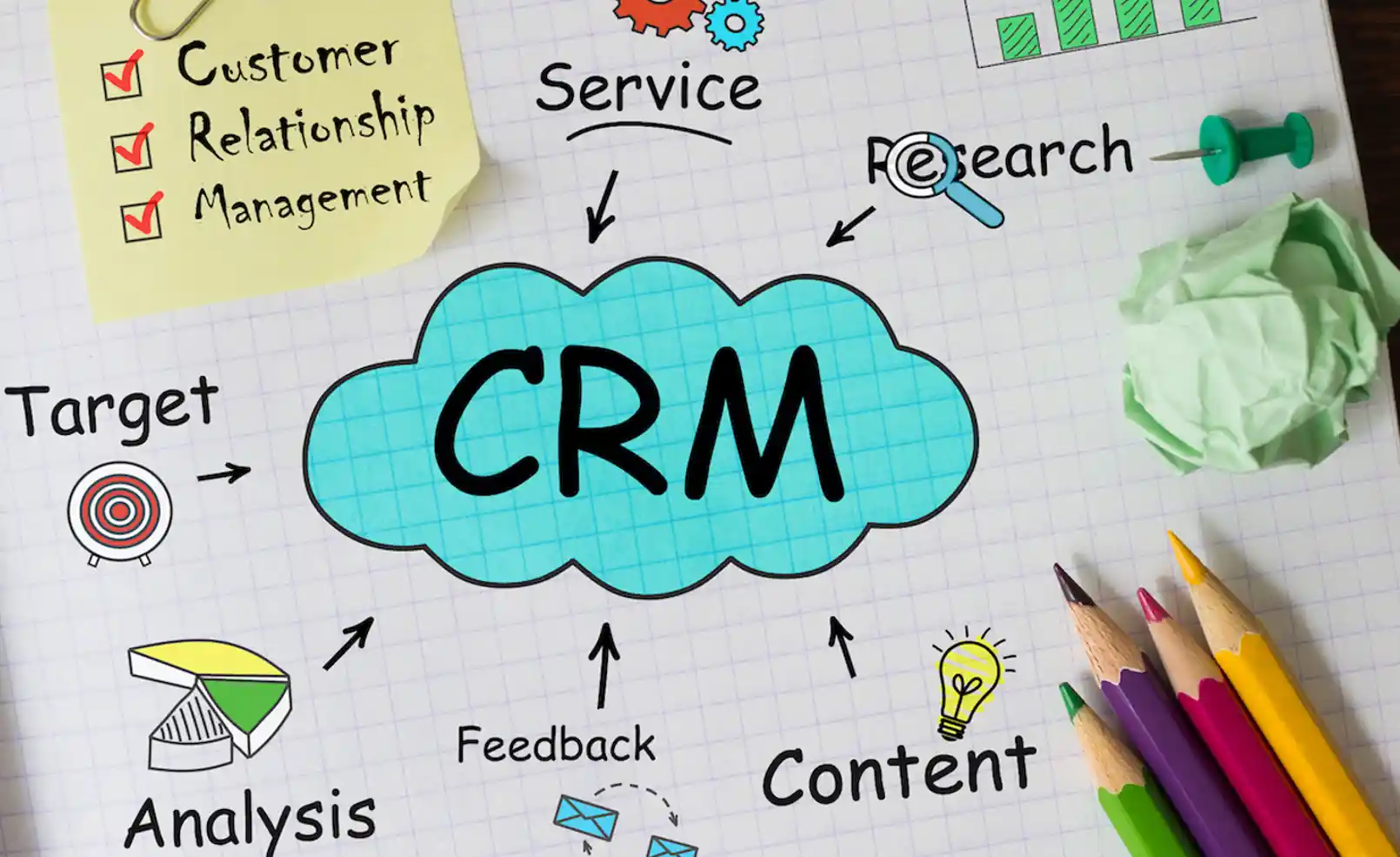
Let’s be honest — CRM setup can feel like trying to assemble IKEA furniture without the manual. You’ve got all the pieces (data, leads, contacts, opportunities), but where the heck do they go? And that’s before you even get to the “training” part — where you’re supposed to turn your team into CRM wizards overnight.
But here’s the good news: with the right CRM setup and training services, that overwhelming mountain of confusion becomes a smooth, automated, and dare we say… fun system. Whether you’re just getting started or trying to fix a chaotic CRM setup gone wrong, this guide will help you understand exactly what goes into making CRM your secret weapon for growth.
By the end, you’ll know what to expect from professional CRM setup and training, how much it costs, why it’s worth every penny, and how to make sure your team actually uses it — instead of secretly going back to spreadsheets.
What Are CRM Setup and Training Services?
Think of CRM setup and training as your “welcome package” to the world of organized sales, happy customers, and fewer headaches. It’s not just about installing software — it’s about building a system that works the way your business works.
CRM setup covers things like:
- Customizing fields, pipelines, and dashboards.
- Importing your customer data safely.
- Setting up automation (like follow-up emails or lead assignments).
- Integrating with tools like Gmail, Slack, or WhatsApp.
Training services, on the other hand, make sure your team actually understands how to use it. Because what’s the point of a shiny new CRM if everyone’s still managing customers through sticky notes and memory?
In short, CRM setup and training services bridge the gap between “We bought it” and “We’re actually using it.”
Why CRM Setup Matters More Than You Think
You could have the best CRM software in the world — HubSpot, Salesforce, Zoho, you name it — but if it’s set up wrong, you’ll still be chasing ghosts in your customer data. Poor setup can lead to:
- Duplicate leads and messy data.
- Missed follow-ups.
- Incorrect reports (which means bad business decisions).
- A frustrated sales team ready to revolt.
A professional CRM setup ensures your data flows smoothly, your team works efficiently, and your reports actually make sense. It’s like tuning up a race car — the software’s powerful, but it needs a proper setup to reach top speed.
What Happens During CRM Setup?
Here’s what a typical CRM setup and training process looks like:
| Step | Description | Outcome |
|---|---|---|
| Discovery | Understanding your business needs, processes, and goals. | A clear CRM implementation plan. |
| Data Import | Cleaning and migrating existing data. | A single, organized customer database. |
| Customization | Setting up fields, workflows, and dashboards. | CRM that matches your sales process. |
| Integration | Connecting with email, social media, and apps. | Unified communication and workflow. |
| Testing | Ensuring all automations and pipelines work correctly. | A stable, error-free CRM environment. |
| Training | Teaching your team how to use the CRM efficiently. | Confident, productive CRM users. |
Every business is unique, which means the setup isn’t one-size-fits-all. A local bakery’s CRM will look very different from a SaaS startup’s system. That’s why having experts handle it makes such a big difference.
The Secret Sauce: CRM Training That Actually Works
Training isn’t just about showing where to click — it’s about changing habits. The best CRM training programs combine live sessions, real-world examples, and hands-on exercises.
Here’s what effective CRM training often includes:
- Role-specific sessions: Sales reps learn about pipelines, marketers learn about automation, and managers learn about reporting.
- Real examples: Trainers use your actual CRM data, not generic demos.
- Interactive practice: Employees do tasks themselves (because let’s face it, no one learns just by watching slides).
- Follow-up Q&A: So no one feels lost once the trainer leaves.
When done right, your team won’t just know how to use the CRM — they’ll actually like using it.
Top Benefits of CRM Setup and Training Services
So why invest in CRM setup and training instead of just winging it? Here’s what you gain:
1. A CRM That Matches Your Business
Instead of adapting your process to the tool, the tool adapts to you. Everything from lead scoring to pipeline stages fits your workflow perfectly.
2. A Team That Actually Uses the CRM
Adoption is the hardest part of any new software. Training eliminates fear, confusion, and resistance — turning skeptics into believers.
3. Cleaner, Smarter Data
Say goodbye to duplicates, typos, and missing info. A well-set CRM keeps your customer data clean and actionable.
4. Better Decisions and Forecasts
With accurate reports and real-time analytics, managers can finally make decisions based on facts, not gut feelings.
5. More Sales and Happier Customers
When your team knows exactly who to follow up with and when, deals close faster — and customers feel genuinely cared for.
How Much Do CRM Setup and Training Services Cost?
Let’s talk numbers — because while CRM setup sounds fancy, it doesn’t have to break the bank.
Here’s a general overview:
| Business Type | Setup Cost Range | Training Cost Range |
|---|---|---|
| Small Business | $500 – $2,000 | $300 – $1,000 |
| Medium Business | $2,000 – $6,000 | $1,000 – $3,000 |
| Large Enterprise | $6,000+ | $3,000+ |
Of course, pricing depends on complexity — integrations, data migration, user count, and training duration all play a role. But think of it this way: if good CRM setup saves even a few lost deals per month, it practically pays for itself.
Choosing the Right CRM Setup Partner
Before you hand over your CRM keys to just anyone, here’s what to look for in a trusted setup and training partner:
- Experience: Do they specialize in your CRM platform (like Zoho, HubSpot, or Salesforce)?
- Customization: Can they tailor workflows to your business, not just install defaults?
- Support: Will they help post-launch if something breaks?
- Training style: Do they offer interactive sessions, not just video tutorials?
- Client reviews: Check testimonials and past success stories.
Pro tip: ask them to show you a before-and-after example from another client. It’s the best way to see what real improvement looks like.
Common CRM Setup Mistakes (And How to Avoid Them)
Even the best CRM tools can fail if setup goes wrong. Watch out for these classic errors:
- Skipping data cleanup. Importing messy spreadsheets means messy CRM data forever.
- Over-customization. Too many fields or automations can overwhelm users.
- Ignoring user feedback. If your team hates the interface, they won’t use it.
- No follow-up training. One-time sessions aren’t enough; reinforcement matters.
- Forgetting integrations. A CRM that doesn’t “talk” to your other tools creates extra work.
A professional setup service prevents these pitfalls by planning ahead and testing thoroughly.
Real-World Example: From Spreadsheet Chaos to CRM Bliss
Let’s meet “Sarah,” a marketing manager at a small agency drowning in Excel sheets and email threads. Leads were slipping through the cracks, clients complained about slow responses, and her team spent more time searching for info than actually selling.
After investing in CRM setup and training services, here’s what changed:
- All client info was centralized.
- Automated follow-ups reduced missed leads by 40%.
- Her sales team’s productivity jumped by 30%.
- She could finally generate accurate monthly reports in minutes.
Moral of the story? A good CRM setup doesn’t just organize data — it transforms how your business operates.
When to Consider a CRM Setup and Training Service
If you’re facing any of these symptoms, it’s time to call in the pros:
- Your CRM feels “clunky” or confusing.
- No one on your team uses it properly.
- Data looks wrong or inconsistent.
- You keep forgetting follow-ups.
- You’ve just switched CRM platforms.
CRM setup experts are like mechanics for your sales engine — they tune it up so you can drive faster (without crashing).
Conclusion
At the end of the day, CRM setup and training services are about much more than software — they’re about people, process, and performance. They take your customer chaos and turn it into clarity.
If you’ve been struggling to get your CRM working the way you hoped, don’t beat yourself up — it’s not you, it’s the setup. Investing in professional help can save time, improve team morale, and make your business run smoother than ever.
So, maybe it’s time to ask yourself: is your CRM working for you, or are you still working for your CRM?
Because the right setup and training can make all the difference.
FAQ
1. What does CRM setup include?
CRM setup involves customizing your CRM software, importing data, setting up automations, and integrating with your existing tools and communication platforms.
2. How long does CRM setup take?
It varies depending on complexity. Small businesses might be done in a few days, while large enterprises could take several weeks.
3. Do I need professional training for my team?
Absolutely. Even the most intuitive CRM has a learning curve, and training ensures your team adopts it effectively.
4. Which CRM platforms do professionals usually support?
Most setup services cover popular CRMs like HubSpot, Zoho CRM, Salesforce, Pipedrive, and Freshsales.
5. Can I do CRM setup myself?
Technically, yes — but unless you’re a CRM expert, you risk data errors, inefficient workflows, and poor adoption. Professional setup saves time and frustration.
6. How often should I retrain my team?
Ideally once or twice a year, especially when major CRM updates or new features are introduced.
7. What’s the ROI of CRM setup and training services?
Businesses often see better data accuracy, faster sales cycles, higher productivity, and improved customer satisfaction — all of which boost revenue long-term.