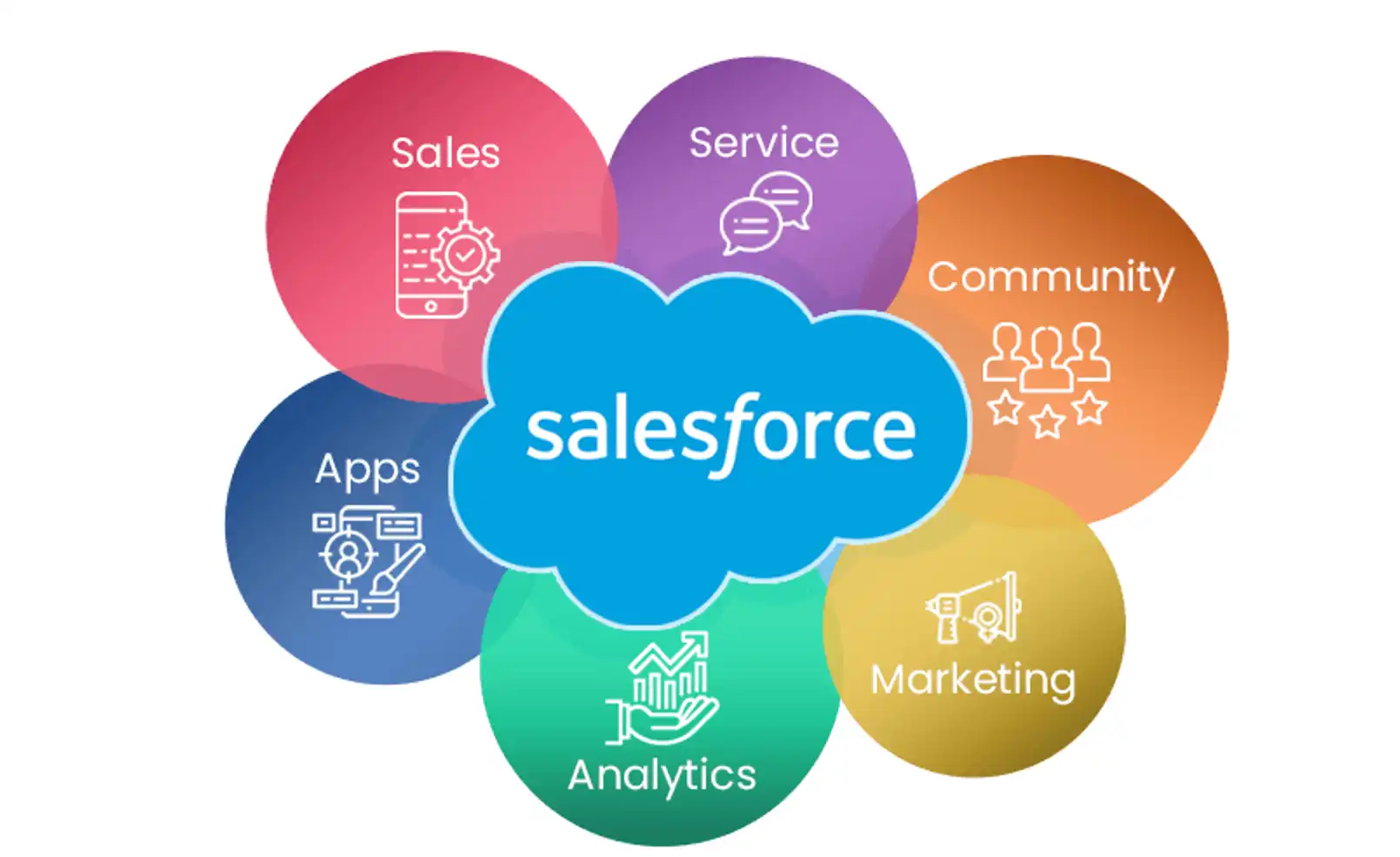
Ever felt like managing your customers, sales pipeline, and marketing campaigns is like juggling flaming swords—blindfolded? If yes, welcome to the club of growing businesses that realized spreadsheets and sticky notes just don’t cut it anymore. That’s where Salesforce CRM comes marching in like a superhero armed with automation, data insights, and workflow magic. But here’s the real game-changer—it’s not just about having Salesforce; it’s about implementing it the right way.
Salesforce CRM implementation services exist for one simple reason: even the most powerful tools need the right setup to truly shine. Think of it like buying a Ferrari and forgetting how to start the engine. Without expert configuration, customization, and onboarding, Salesforce can turn from a dream tool into a confusing dashboard of unused buttons. In this article, we’ll break down what Salesforce CRM implementation services actually mean, why they matter, how they work, and how they can skyrocket your business efficiency.
Ready? Let’s untangle this digital spaghetti one bite at a time.
What Are Salesforce CRM Implementation Services?
Salesforce CRM implementation services refer to the process of setting up, configuring, and customizing the Salesforce platform to match your company’s specific needs. It’s not a one-size-fits-all solution—because let’s face it, every business has its own flavor of chaos. Implementation services are about transforming Salesforce from a blank template into a tailored system that supports your unique workflows, departments, and goals.
The process usually includes:
- Business needs assessment: Identifying what your company truly needs from Salesforce.
- Customization and configuration: Setting up dashboards, automation rules, and modules for your teams.
- Integration: Connecting Salesforce with other systems like ERP, marketing tools, or your website.
- Data migration: Moving your old data safely and cleanly into the new CRM.
- Training and support: Teaching your team how to use Salesforce like pros.
In short, Salesforce implementation services are the “make-it-happen” part of your CRM journey. They bridge the gap between powerful technology and actual business results.
Why Salesforce Implementation Is Not a DIY Project
Sure, you could try setting up Salesforce on your own, but that’s like assembling IKEA furniture without instructions—it might stand, but don’t sit on it yet. Salesforce is a sophisticated platform with tons of features, and using it incorrectly can lead to data chaos, frustrated employees, and missed opportunities.
Here’s why professional Salesforce implementation services are worth every penny:
| Reason | Benefit |
|---|---|
| Expertise | Certified consultants understand Salesforce inside and out. |
| Customization | You get a CRM that fits your business like a tailored suit. |
| Time-saving | Avoid months of trial and error with experienced implementers. |
| Data safety | Proper migration means no “oops, we lost the customer data” moments. |
| Smooth adoption | Your team learns the system efficiently, increasing productivity. |
In other words, professionals don’t just plug in Salesforce—they make it work for you.
The Salesforce Implementation Process Explained
Let’s walk through the key steps of a successful Salesforce CRM implementation. Each phase has its own role, and skipping one could mean trouble later.
1. Discovery and Planning
Before writing a single line of code or clicking “Install,” a Salesforce consultant will spend time understanding your business goals, pain points, and processes. They’ll ask questions like:
- How does your sales pipeline look?
- What customer data do you track?
- Which tools are you currently using?
This phase ensures the implementation is rooted in real business needs—not assumptions.
2. System Design and Customization
Next comes the blueprint. The Salesforce experts design workflows, automation, and reports tailored to your company. This might include:
- Custom fields for leads and opportunities.
- Automated email follow-ups.
- Sales forecasting dashboards.
It’s like customizing your dream house before moving in—everything must be in the right place.
3. Integration with Other Tools
No system lives in isolation. Salesforce CRM works best when it’s connected to the rest of your digital ecosystem. Integration might involve linking:
- Your ERP or accounting system (e.g., QuickBooks, NetSuite).
- Marketing tools like HubSpot or Mailchimp.
- Communication platforms like Slack or Microsoft Teams.
A properly integrated Salesforce ensures all your data talks to each other seamlessly.
4. Data Migration
Ah yes, the part where everyone holds their breath. Moving customer and sales data from legacy systems into Salesforce must be handled carefully. A single mismatch can cause major confusion later. Implementation experts typically clean, validate, and organize data before importing it—so you start fresh with reliable information.
5. Testing and Validation
Once the system is configured and loaded with data, it’s time to test everything. This phase is like a dress rehearsal before the big show. The team checks for functionality, accuracy, and performance issues. Any bugs or inefficiencies get fixed here.
6. Training and User Adoption
Even the best CRM in the world won’t help if no one uses it. Implementation services include training sessions for your team—teaching them how to log data, track leads, and interpret reports. The goal? Turn every employee into a Salesforce champion.
7. Go-Live and Post-Implementation Support
Finally, it’s showtime. The system goes live, and consultants remain on standby to fix issues or make tweaks. Think of them as your pit crew ensuring everything runs smoothly after launch.
Benefits of Hiring Salesforce Implementation Experts
If you’re wondering whether Salesforce implementation services are really worth the investment, here’s the short answer: absolutely. Here’s why:
- Faster Deployment: Instead of spending months figuring things out, you can have a fully functional CRM in weeks.
- Higher ROI: When configured properly, Salesforce increases sales efficiency and customer satisfaction.
- Scalability: Your CRM grows as your business expands—no need to rebuild later.
- Reduced Errors: Proper implementation reduces data duplication, system conflicts, and reporting mistakes.
- Employee Happiness: A user-friendly CRM makes daily work easier and more rewarding.
Basically, you get a high-performance CRM without the headaches of trial and error.
Common Mistakes to Avoid During Salesforce Implementation
Even with expert help, there are traps that many businesses fall into. Avoiding these can save you time, money, and sanity.
- Skipping the planning phase: Diving in without understanding your goals leads to wasted effort.
- Over-customizing: Too many features can overwhelm users and complicate workflows.
- Ignoring user feedback: Your staff knows what works best—listen to them!
- Neglecting data quality: Garbage in, garbage out. Always clean your data first.
- No training plan: Don’t assume users will “figure it out.” Proper onboarding is essential.
A solid implementation partner will help you sidestep all of these pitfalls.
How to Choose the Right Salesforce Implementation Partner
Selecting the right service provider can make or break your CRM success. When evaluating Salesforce implementation partners, consider these factors:
| Criteria | What to Look For |
|---|---|
| Experience | At least several years in Salesforce implementation. |
| Certifications | Salesforce-certified professionals (Administrator, Consultant, Developer). |
| Portfolio | Proven success stories or case studies in your industry. |
| Communication | Clear, responsive, and transparent about timelines and costs. |
| Support | Offers ongoing maintenance and troubleshooting. |
A great partner won’t just deliver the system—they’ll make sure it evolves with your business needs.
Cost of Salesforce CRM Implementation Services
The cost can vary widely depending on the size of your organization, the complexity of your workflows, and the level of customization required. Here’s a general estimate:
| Business Size | Estimated Cost Range (USD) |
|---|---|
| Small Business | $5,000 – $15,000 |
| Mid-sized Company | $15,000 – $50,000 |
| Enterprise | $50,000+ |
While it might sound like a big number, consider it an investment in automation, efficiency, and long-term growth. A well-implemented Salesforce CRM pays for itself over time through improved sales performance and customer retention.
Real-World Example: How Implementation Transforms a Business
Imagine a mid-sized retail company struggling to manage leads and customer data across spreadsheets and emails. They decide to hire a Salesforce implementation partner. Within three months, they have:
- Automated lead tracking and assignment.
- A 360-degree customer view across departments.
- Real-time sales reports.
- Integrated marketing campaigns through Salesforce Marketing Cloud.
The result? A 25% increase in lead conversion and a 40% reduction in response times. That’s not just digital transformation—it’s digital domination.
Conclusion
Implementing Salesforce CRM isn’t just about installing software—it’s about transforming how your business operates. When done right, it streamlines workflows, enhances customer relationships, and empowers your team with real-time insights. Professional Salesforce CRM implementation services take the complexity out of the equation, ensuring your CRM delivers exactly what your business needs—results.
So, if your company is serious about scaling and efficiency, stop wrestling with manual tools or generic setups. Partner with a trusted Salesforce expert and watch your business operations turn from chaotic to seamless. Because in today’s competitive world, the right CRM implementation isn’t just an advantage—it’s survival.
Frequently Asked Questions (FAQ)
1. What are Salesforce CRM implementation services?
These are professional services that help businesses set up, customize, and optimize Salesforce CRM to align with their specific goals and workflows.
2. How long does Salesforce implementation take?
It depends on the complexity—small projects can take a few weeks, while enterprise-level implementations might take several months.
3. Can I implement Salesforce on my own?
Technically yes, but it’s not recommended unless you’re already Salesforce-certified. Implementation experts ensure you avoid costly mistakes.
4. What industries benefit most from Salesforce CRM?
Almost every industry—from retail and healthcare to finance and manufacturing—can leverage Salesforce for better customer management and automation.
5. How do I choose a Salesforce implementation partner?
Look for experience, Salesforce certifications, industry-specific expertise, strong communication, and ongoing support offerings.